Cappadocia · Central Anatolia | Nivo Travel
Nivo Travel Türkiye
Central Anatolia

Cappadocia

Land of Fairy Chimneys and Balloons

Best time to visit: April–June and September–October are most reliable for balloons; December–February is snowy and quiet Suggested stay: 2-3 days 7 tours

About — Cappadocia

There are more than ten flights a day from Istanbul to Cappadocia; Kayseri airport (ASR) is 75 minutes from Goreme and Nevsehir (NAV) 40 minutes. There are no direct flights from the Gulf, so you connect in Istanbul. The region centres on the towns of Goreme, Uchisar, Urgup and Avanos, all within 10–15 minutes of each other. Two full days cover the North (Red) and South (Green) tours plus a balloon flight; three days leave room to rest.

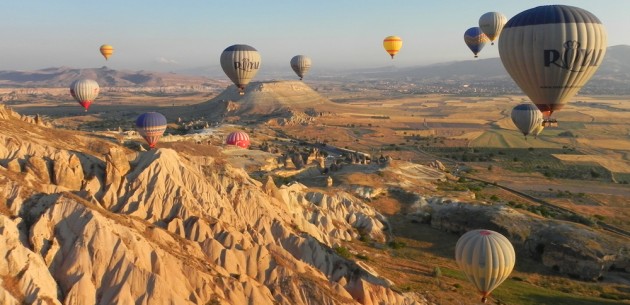
Balloon flights take place at sunrise and can be cancelled for wind at 05:00; booking for your first morning guarantees a second chance if that happens. The underground cities descend up to eight levels through narrow passages; anyone uneasy in confined spaces can wait on the upper levels. Cave hotels are the region's most special experience; family cave rooms sleep 4–5 and most have a jacuzzi. Pottery workshops in Avanos, carpet shops in Urgup and pottery kebab in Goreme are must-dos.

Family tips: the valleys are not pushchair-friendly, so bring a carrier. Summer is 35°C with no shade and winter is –5°C with snow; dress for the season. Goreme has a mosque and restaurants with Arabic menus. Children under 6 and pregnant women cannot fly in the balloon. ATV safaris, horse riding and classic car tours are the children's favourites and can all be booked from the hotel.

City Guide — Cappadocia

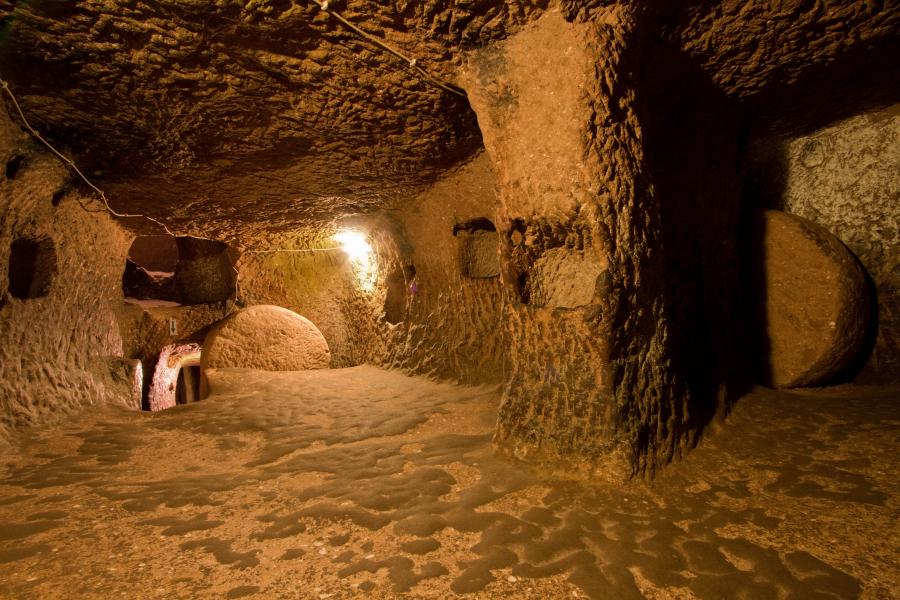
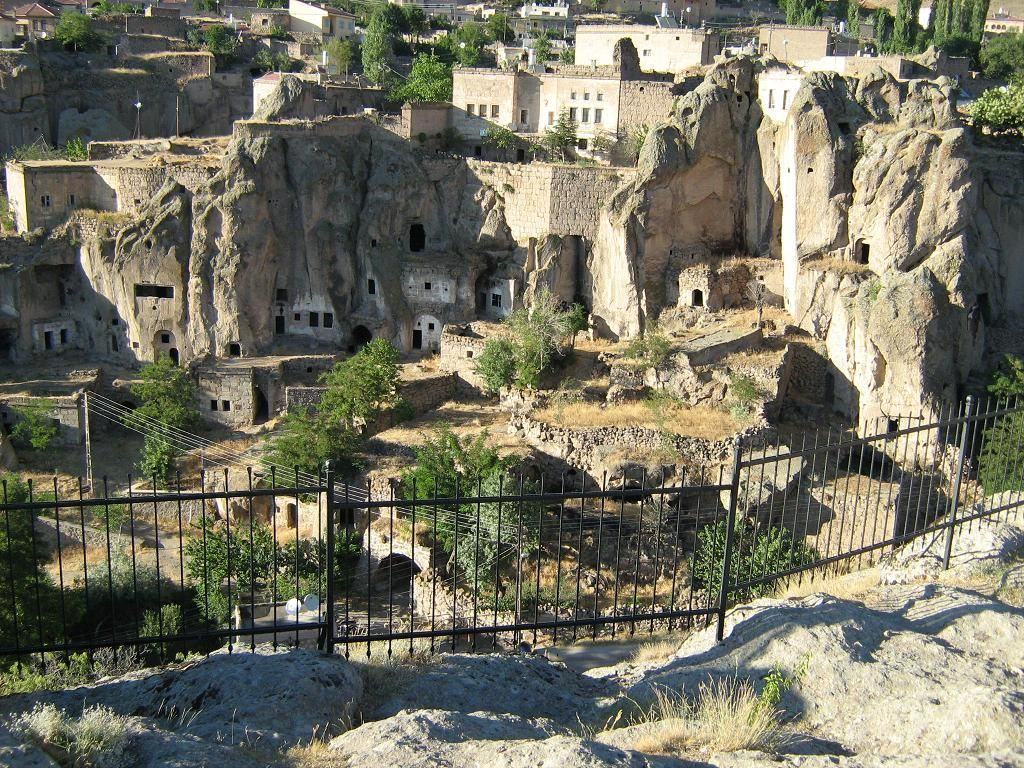
One of the characteristics of Cappadocia is having plenty of underground cities. It is known that there are more than a hundred underground settlements in the region, and many of them are not open for visits. The underground cities, which are thought to have been used since the Bronze Age, were doubtless used as settlements mostly in the Byzantine period, when increasing invasions forced local residents to build underground cities for protection and religious purposes. Of about 40 underground cities determined so far, just six have been opened for visits; the well-known ones are the Tatlarin, Derinkuyu, Ozkonak, Mazi Village, Kaymakli and Gaziemir underground cities. The first inhabitants of Cappadocia opened deep cavities within the volcanic rocks to escape the attacks of wild animals and hard winter conditions, then enlarged these cavities according to their daily needs and created the underground cities by connecting them with tunnels and labyrinths. Later the underground cities were the hiding place of the first Christians escaping the persecution of the Roman soldiers, and were enlarged so that an entire city could live there when necessary. In all of the underground cities there are ventilation chimneys reaching to a depth of 80 metres and down to the underground waters; within the cities, which are tepid in winter and cool in summer, there are kitchens, stables, wine houses, grain depots, meeting halls and toilets - every kind of living space necessary for life - and locking stones that can be opened and closed only from inside against threats from outside. The oldest written source about the underground cities is Xenophon's Anabasis (4th century BC): "The houses were built underground; the entrances were like wells but they broadened out lower down..."

Highlights

  • Sunrise balloon flight
  • Goreme Open Air Museum
  • Kaymakli or Derinkuyu underground city
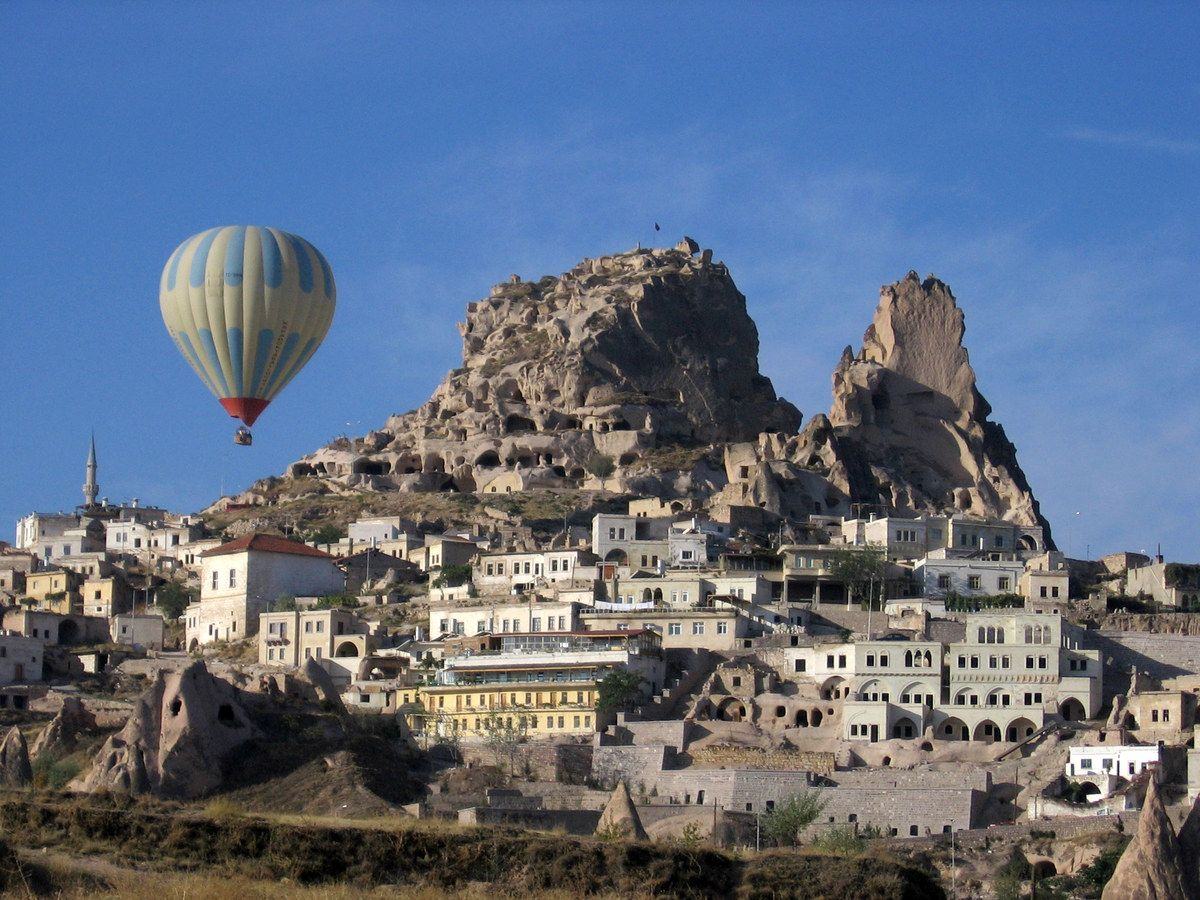
  • Uchisar Castle and Pigeon Valley
  • A night in a cave hotel

Gallery

Cappadocia
Cappadocia
Cappadocia
Cappadocia
Cappadocia
Cappadocia

Tours in Cappadocia

View All

Travel Guide

View All