Gallipoli (Canakkale)
The Peninsula Where History Was Written
About — Gallipoli (Canakkale)
The Gallipoli Peninsula forms the European shore of the Dardanelles, facing the city of Çanakkale on the Asian side. From Istanbul it is about 4.5–5 hours by road, crossing either via the 1915 Çanakkale Bridge or by the short car ferry from Eceabat; Çanakkale's small airport has only limited flights. A day trip from Istanbul is possible but very long, so a night in Çanakkale is the better choice: its seafront hotels are a short walk from the promenade and the ferry quay.
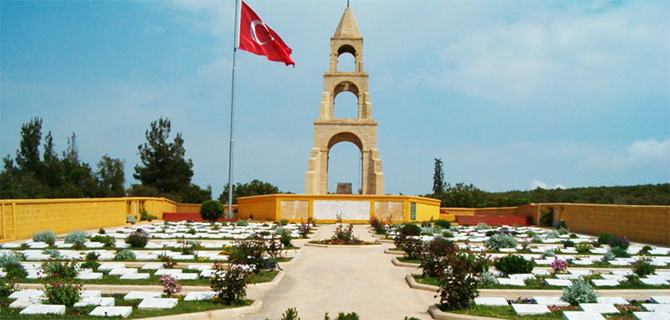
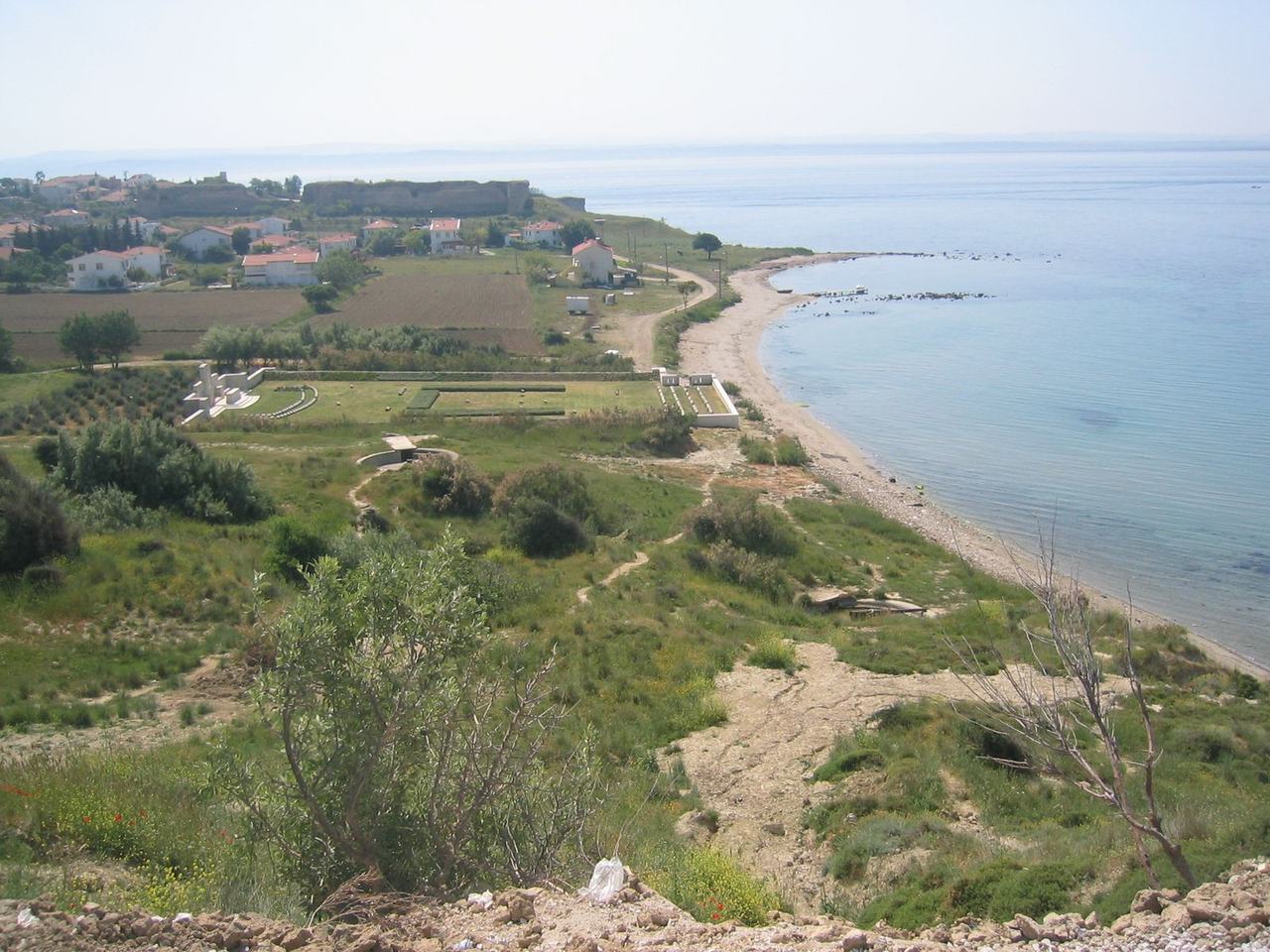
The 1915 battlefields are now a historical area of memorials and cemeteries. Begin at the Gallipoli Epic Promotion Centre (Çanakkale Destanı Tanıtım Merkezi) at Kabatepe, whose multimedia halls explain the campaign clearly. Continue to Anzac Cove and the Lone Pine memorial, then stop at the 57th Regiment memorial on the way up to Chunuk Bair, with wide views over the Aegean. In the south, the tall Çanakkale Martyrs' Memorial overlooks the mouth of the strait. Kilitbahir Castle, the Ottoman fortress at the narrowest point, faces the city across the water, and Troy, a UNESCO site with a modern museum and a wooden horse replica, lies 30 km south of Çanakkale.
Family tips: these are cemeteries and memorials, so modest dress and a quiet manner are expected; prepare children for this beforehand. The peninsula is windy and has little shade, so bring hats, water and a light jacket. Halal food is easy to find; try fresh fish, Ezine cheese and the local cheese halva. There are mosques in Çanakkale and Eceabat. The sites are spread out, so a private vehicle with a guide is best. Our Gallipoli & Troy Tour covers the highlights in one long day from Istanbul; for a calmer pace, choose one of our package tours with a night in Çanakkale.
City Guide — Gallipoli (Canakkale)
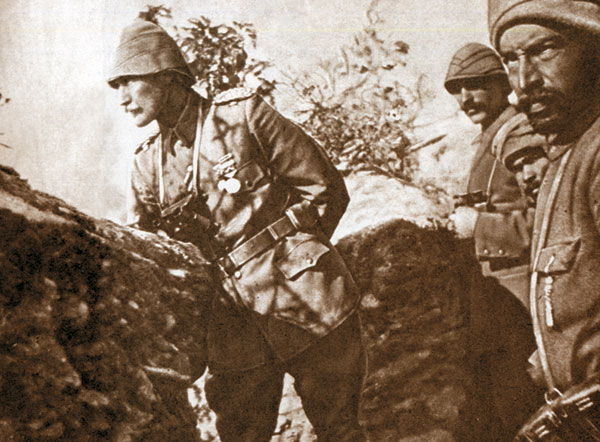
The Dardanelles is a 61 km (28 mile) long and 1.2 to 6.4 km wide strait between Europe and Asiatic Türkiye, respectively known as Thrace and Anatolia. This strategically important strait leads from the Aegean Sea to the Sea of Marmara and then through the Bosphorus to the Black Sea; the world's ships must pass through here to reach the grain ports of Ukraine and the oil ports of Romania and the Caucasus. The western side of the strait is formed by the Gallipoli peninsula; the major ports along its shores are Gallipoli, Eceabat and Canakkale, and many famous castles, like Kilitbahir built in 1452 by the Ottoman sultan Mehmet II, stand along its banks. The famous Turkish sailor and first Turkish marine cartographer Piri Reis was also born in Gelibolu. The strait is rich with history and legend: in ancient times it was called the Hellespont, meaning "Helle's sea", in memory of Helle, a mythical Boeotian princess drowned in its swift waters after falling from the back of the legendary ram with the golden fleece. In 480 BC Persia's king Xerxes sent his army across the strait on a bridge of boats to invade Greece, and in 334 BC Alexander the Great similarly crossed from Greece to invade Persia. The strait takes its name from the old town of Dardanus. The Ottomans first set foot in Gelibolu in 1354 under Orhan Bey, and Canakkale and the region passed completely to the Turks in 1362 under Murat I. In World War I the British, wanting to get aid to Russia through the Black Sea, tried to capture the Gallipoli peninsula in 1915-16; they were thrown back by the Turkish Army under the command of Ataturk and the Dardanelles remained unconquered. Today the Dardanelles is full of shipwrecks from the Gallipoli Campaign, which gives divers a special interest in these waters, and there are several tours visiting this interesting area, especially together with nearby Troy.
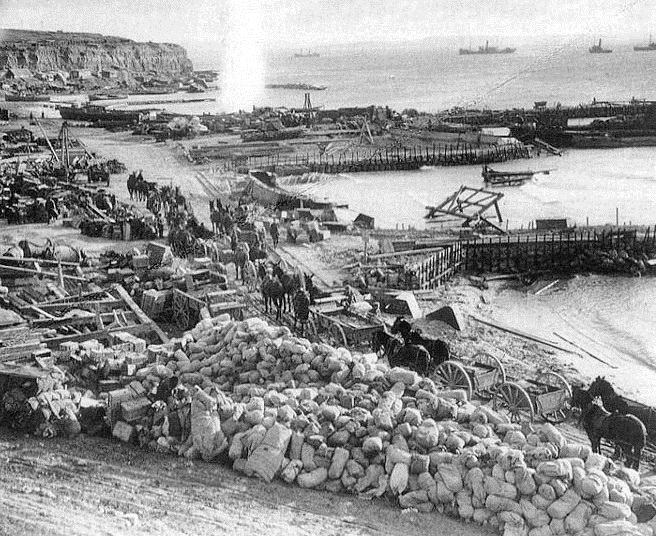
The Gallipoli campaign took place between April and December 1915 in an effort to take the Dardanelles from the Ottoman Empire and thus force it out of the war. Some 60,000 Australians and 18,000 New Zealanders were part of a larger British force; in numerical terms Gallipoli was a minor campaign, but it took on considerable national and personal importance to the Australians and New Zealanders who fought there. The day of the landings, 25 April, is marked as ANZAC Day in both countries with dawn parades and services in every city and town. Ataturk's words, inscribed on the Gallipoli Memorial put up by Türkiye in 1934: "Those heroes who shed their blood and lost their lives, you are now lying in the soil of a friendly country. Therefore rest in peace. There is no difference between the Johnnies and the Mehmets to us where they lie side by side in this country of ours. You, the mothers who sent their sons from far away countries, wipe away your tears; your sons are now lying in our bosom and are in peace. After having lost their lives on this land they have become our sons as well."
Highlights
- Anzac Cove and Ariburnu
- Canakkale Martyrs' Memorial
- Chunuk Bair and 57th Regiment Cemetery
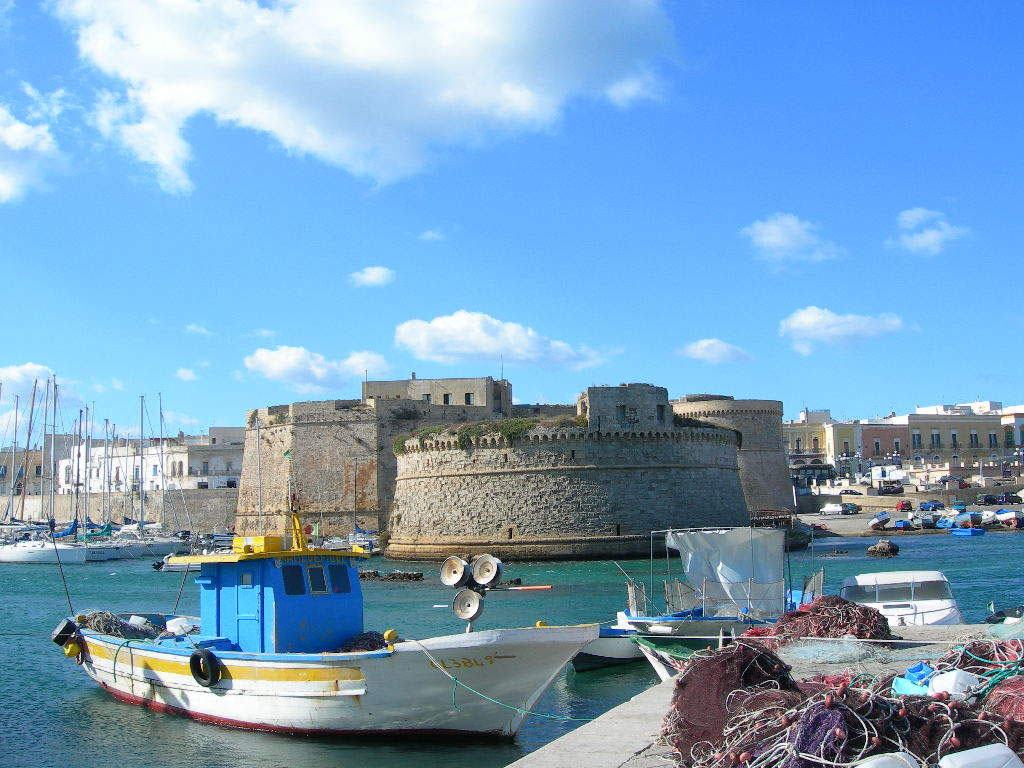
- Kilitbahir Fortress
- Dardanelles ferry crossing