Samsun
The City Where the Republic Was Born
About — Samsun
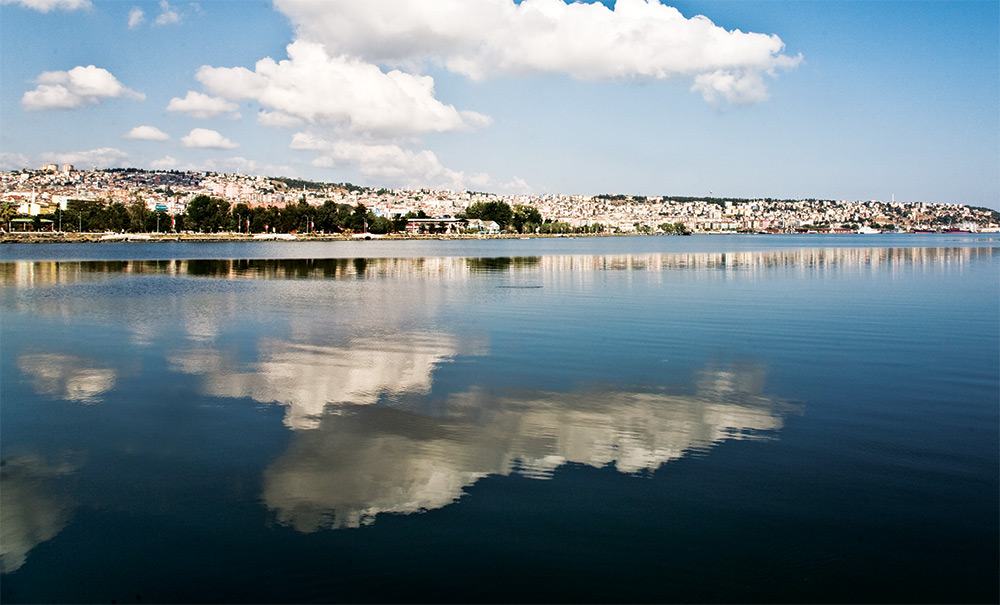
Samsun is a green port city on Türkiye's central Black Sea coast with a long seafront. Flights from Istanbul to Samsun Carsamba airport (SZF) take about 1 hour 20 minutes, and the airport is roughly 30 minutes from the centre. Stay in the city centre or in Atakum, the beach district to the west with its promenade, cafés and sea-view hotels.
The Bandirma Ferry Museum is a full-size replica of the ship that brought Ataturk from Istanbul to Samsun on 19 May 1919; its cabins and wax figures keep children interested. A cable car climbs from the seafront to Amisos Hill, with ancient tumulus tombs and wide sea views. In the centre, the equestrian Ataturk statue of the Monument of Honour (Onur Aniti) is a symbol of Samsun. About an hour to the west, the Kizilirmak Delta bird sanctuary has lagoons, observation towers and free-roaming horses. Samsun is also a good starting point for a coastal drive east to Trabzon (about 4–5 hours) via Ordu and Giresun.
Family tips: summers are mild by Gulf standards, around 25–30°C but humid, and rain is possible in any season, so pack a light raincoat. The sea is warm enough for swimming from June to September. Halal food and mosques are easy to find; try the famous long pides of Bafra and Terme, and Black Sea anchovies in season. One full day covers the city, and a private vehicle makes the delta and the coastal road easy. Samsun can be combined with our Trabzon and Black Sea package tours.
City Guide — Samsun
Samsun is a city of about half a million people on the north coast of Türkiye, the provincial capital of Samsun Province and a major Black Sea port. The present name of the city may come from its former Greek name of Amisos, by a shortening of Eis Amisos (meaning "to Amisos") to Sampsunda and then Samsun; the early Greek historian Hecataeus wrote that Amisos was formerly called Enete, the place mentioned in Homer's Iliad. Palaeolithic artefacts found in the Tekkekoy Caves can be seen in the Samsun Archaeology Museum; the earliest layer excavated at the Dundartepe mound revealed a Chalcolithic settlement, and Early Bronze Age and Hittite settlements were also found there and at Tekkekoy. Samsun (then known as Amisos) was settled between 760 and 750 BC by people from Miletus, who established a flourishing trade relationship with the ancient peoples of Anatolia; the city's ideal combination of fertile ground and shallow waters attracted numerous traders. In the 3rd century BC the city came under the rule of the Kingdom of Pontus, the Romans took over in 47 BC and Amisos became part of the Eastern Roman Empire within the theme of Armeniakon. In the later Ottoman period the land around the town mainly produced tobacco; the town was connected to the railway system in the second half of the 19th century and the tobacco trade boomed. Mustafa Kemal Ataturk established the Turkish liberation movement in Samsun on 19 May 1919, the date which traditionally marks the beginning of the Turkish War of Independence, and a replica of the ferry SS Bandirma, which carried Ataturk from Istanbul to Samsun, is displayed in the city. Samsun is a long city which extends along the coast between two river deltas which jut into the Black Sea; it is located at the end of an ancient route from Cappadocia, and the Amisos of antiquity lay on the headland north-west of the modern city centre. To Samsun's west lies the Kizilirmak ("Red River", the Halys of antiquity), one of the longest rivers in Anatolia.
Highlights
- Bandirma Ferry Museum
- Amisos Hill cable car
- Atakum waterfront
- Kizilirmak Delta bird sanctuary
- Samsun pide