سامسون
شهری که جمهوری در آن زاده شد
درباره — سامسون
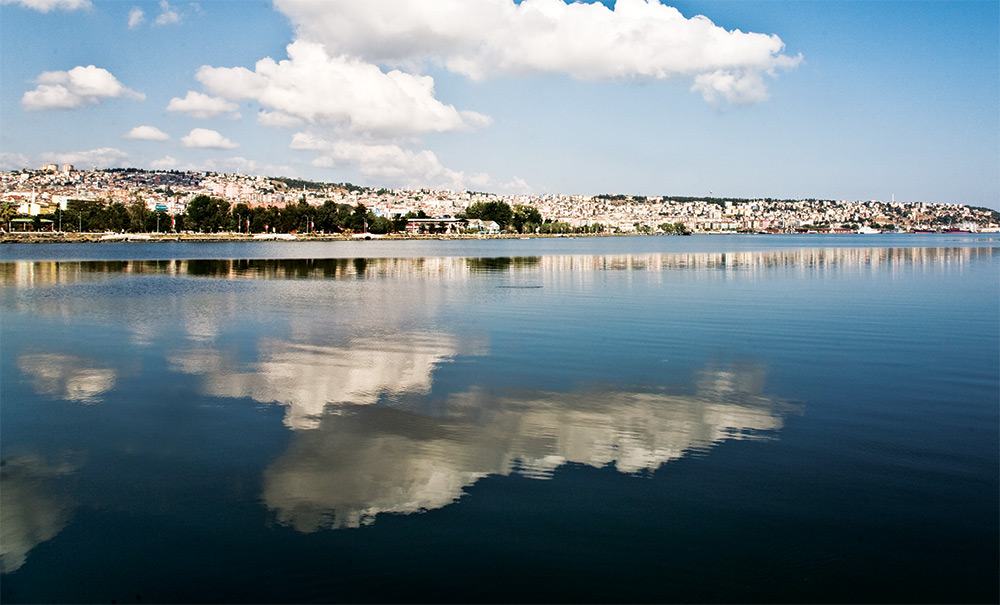
سامسون شهری بندری و سرسبز در ساحل مرکزی دریای سیاه ترکیه با کرانهای طولانی است. پرواز از استانبول تا فرودگاه چارشامبای سامسون (SZF) حدود یک ساعت و 20 دقیقه است و فرودگاه حدود 30 دقیقه با مرکز شهر فاصله دارد. برای اقامت، مرکز شهر یا آتاکوم، منطقه ساحلی غرب شهر با تفرجگاه کنار دریا، کافهها و هتلهای رو به دریا، پیشنهاد میشود.
موزه کشتی باندیرما نسخه هماندازه کشتیای است که آتاتورک را در 19 مه 1919 از استانبول به سامسون آورد؛ کابینها و مجسمههای مومی آن برای کودکان جذاب است. تلهکابین از کنار ساحل به تپه آمیسوس با گورتپههای باستانی و چشمانداز گسترده دریا بالا میرود. مجسمه سوار بر اسب آتاتورک در بنای یادبود افتخار (اونور آنیتی) در مرکز شهر از نمادهای سامسون است. حدود یک ساعت در غرب، پناهگاه پرندگان دلتای قزلایرماق تالابها، برجهای دیدهبانی و اسبهایی دارد که آزادانه میگردند. سامسون همچنین نقطه شروع خوبی برای سفر جادهای ساحلی به سوی ترابزون (حدود 4 تا 5 ساعت) از راه اردو و گیرسون است.
نکات خانوادگی: تابستان در مقایسه با خلیج فارس معتدل است، حدود 25 تا 30 درجه اما مرطوب، و در هر فصلی ممکن است باران ببارد؛ یک بارانی سبک همراه داشته باشید. دریا از ژوئن تا سپتامبر برای شنا مناسب است. غذای حلال و مسجد بهراحتی پیدا میشود؛ پیدههای بلند و معروف بافرا و ترمه و در فصلش ماهی آنچوی دریای سیاه (هامسی) را امتحان کنید. یک روز کامل برای دیدن شهر کافی است و خودروی شخصی رفتن به دلتا و جاده ساحلی را آسان میکند. سامسون را میتوان با پکیجهای ترابزون و دریای سیاه ما ترکیب کرد.
City Guide — سامسون
Samsun is a city of about half a million people on the north coast of Türkiye, the provincial capital of Samsun Province and a major Black Sea port. The present name of the city may come from its former Greek name of Amisos, by a shortening of Eis Amisos (meaning "to Amisos") to Sampsunda and then Samsun; the early Greek historian Hecataeus wrote that Amisos was formerly called Enete, the place mentioned in Homer's Iliad. Palaeolithic artefacts found in the Tekkekoy Caves can be seen in the Samsun Archaeology Museum; the earliest layer excavated at the Dundartepe mound revealed a Chalcolithic settlement, and Early Bronze Age and Hittite settlements were also found there and at Tekkekoy. Samsun (then known as Amisos) was settled between 760 and 750 BC by people from Miletus, who established a flourishing trade relationship with the ancient peoples of Anatolia; the city's ideal combination of fertile ground and shallow waters attracted numerous traders. In the 3rd century BC the city came under the rule of the Kingdom of Pontus, the Romans took over in 47 BC and Amisos became part of the Eastern Roman Empire within the theme of Armeniakon. In the later Ottoman period the land around the town mainly produced tobacco; the town was connected to the railway system in the second half of the 19th century and the tobacco trade boomed. Mustafa Kemal Ataturk established the Turkish liberation movement in Samsun on 19 May 1919, the date which traditionally marks the beginning of the Turkish War of Independence, and a replica of the ferry SS Bandirma, which carried Ataturk from Istanbul to Samsun, is displayed in the city. Samsun is a long city which extends along the coast between two river deltas which jut into the Black Sea; it is located at the end of an ancient route from Cappadocia, and the Amisos of antiquity lay on the headland north-west of the modern city centre. To Samsun's west lies the Kizilirmak ("Red River", the Halys of antiquity), one of the longest rivers in Anatolia.
نکات برجسته
- موزه کشتی باندیرما
- تلهکابین تپه آمیسوس
- ساحل آتاکوم
- پناهگاه پرندگان دلتای قزلایرماق
- پیده سامسون